
EXHIBITION
GUILDLINES
Our preferred supplier for exhibition stands and live events is Primary Live - Click HERE for their contact details.

OVERVIEW & ZONING
When designing the layout of an RS exhibition stand, it’s important to consider the flow of visitors,
optimise space usage, and create distinct zones for different purposes.


Here are some key areas to consider.
1) Entrance: Create an inviting entrance to attract visitors and make a positive first impression. Use bold signage, branding elements, and attractive displays to draw people in.
2) Reception Area: Designate a reception or welcome area near the entrance. This space should be staffed with friendly personnel who can greet visitors, provide information, and guide them to different zones within the stand.
3) Product Showcase: Allocate a prominent area to showcase your products and services. Use attractive displays, demonstrations, or interactive elements to highlight key features and benefits. Make sure the products are easily accessible for visitors to explore and interact with.
4) Meeting and Demo Spaces: Set aside specific areas for private meetings, demonstrations, or presentations. These spaces can be semi-enclosed or separated with partitions to provide privacy and minimize distractions.
5) Lounge or Networking Zone: Create a relaxed and comfortable area where visitors can take a break, have informal discussions, or network. Include seating arrangements, charging stations, and refreshments to encourage longer engagement and foster connections.
6) Interactive Zones: Integrate interactive elements within the stand to engage visitors actively. This could include touchscreens, virtual reality experiences, games, or interactive displays that allow visitors to interact.
7) Data Collection & Digital Collateral: Dedicate a designated space for visitors to access digital content and encourage data capture through interactive touchscreens for easy data collection.
8) Storage and Backstage Area: Plan for a concealed storage area or a backstage section to keep supplies, promotional materials, and personal belongings out of sight. This helps maintain a clean and organized appearance for the stand.
Remember to optimize the layout to ensure smooth traffic flow, avoid overcrowding, and create a visually appealing and engaging experience for visitors. Each zone should have a clear purpose and be designed to effectively showcase your brand, products, and services.
EXHIBITION BASICS
When setting up an RS exhibition stand, there are several basic things you need to know to ensure a successful and effective delivery.


1) Purpose: Clearly define the purpose of your exhibition stand. Are you looking to showcase products, generate leads, or promote brand awareness? Understanding your goals will help you design the stand accordingly.
2) Design and Branding: Create an eye-catching design that reflects your brand identity and stands out from the crowd. Incorporate your brand colours, logo, and key messaging to create a cohesive and memorable presence.
3) Layout and Flow: Plan the layout of your stand to optimize flow and engagement. Ensure there’s ample space for visitors to move around comfortably, with strategically placed displays, product demos, and interactive elements to encourage interaction.
4) Information and Graphics: Use clear and concise signposting and graphics to convey your message effectively. Highlight key features, benefits, and unique selling points to capture visitors’ attention and communicate your value proposition.
5) Engaging Displays: Use visually appealing displays, such as banners, screens, or digital presentations, to showcase your products or services. Incorporate interactive elements like touchscreens, demos, or samples to encourage hands-on engagement.
6) Staffing: Train your staff to be knowledgeable, approachable, and enthusiastic. They should be able to engage visitors, answer questions, and effectively communicate your offerings and brand message.
7) Giveaways and Collateral: Provide promotional materials, brochures, business cards, or branded giveaways that visitors can take with them. These items serve as reminders of your brand and can help drive post-event engagement.
8) Lighting and Audiovisual: Pay attention to lighting and audiovisual elements to create an inviting and immersive atmosphere. Correct lighting can enhance your displays, while audiovisual components like videos can add impact and captivate visitors.
9) Networking Opportunities: Consider creating spaces within your stand where visitors can engage in conversations, network, or have one-on-one meetings. This allows for more personalised interactions and potential lead generation.
10) Follow-up Plan: Develop a post-event follow-up plan to capitalize on the connections made during the exhibition. Collect contact information, prioritize leads, and have a strategy in place to nurture and convert those leads into customers.
Remember, every detail counts when it comes to creating an impactful exhibition stand. Careful planning, attention to branding, engaging displays, and effective staff interactions will help maximize your presence and achieve your desired outcomes.
BRAND APPLICATION
PLEASE REFER TO THE RS BRAND GUILDELINES FOR INFORMATION ON LOGOS, FONTS, COLOURS AND THE BRAND SYSTEM.
MATERIALS
FLORAL
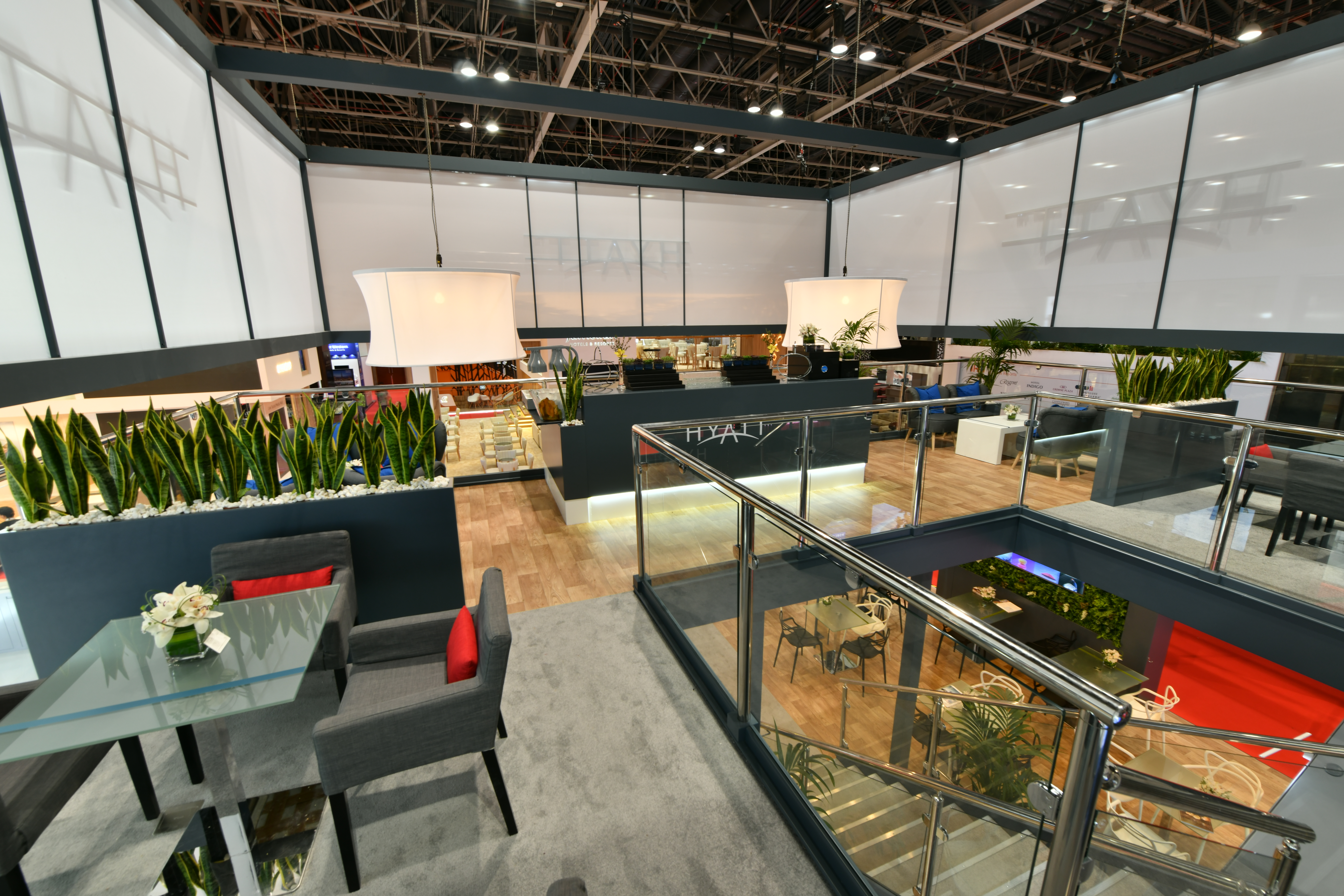
By emphasizing the use of natural plants and flowers, these can add a lot of life and beauty to a stand or a reception area. Using a local florist is a great way to reduce carbon footprints and support local businesses.
Avoid using artificial plants, as not only do they carry a fire risk, as they look fake and detract from the natural feel of the space. It’s also worth noting that using real plants can have air-purifying benefits, which can improve the overall health and well-being of those in the space. Using live plants instead of cut flowers at an exhibition can lower the carbon footprint of the event. They absorb CO2, emit oxygen, generate less waste, and have a longer lifespan compared
to cut flowers.
Table centres are a nice touch, but it’s important to ensure they don’t get in the way of meetings. Perhaps incorporating smaller, low-maintenance plants that can sit on the table without taking up too much space would be a good option.

NATURAL TIMBER & TIMBER EFFECT SURFACES
This can be used on a variety of surfaces, as an option. Vinyl flooring can have a lower carbon footprint than carpet, as it is often made from recycled materials and is recyclable itself.
While natural wood and laminate can add a beautiful and natural touch to the space, it’s important to consider the potential drawbacks such as increased cost and installation time. Additionally, it’s worth noting that the sustainability of these materials can vary depending on factors such as the sourcing and production methods used.
Ultimately, it’s important to consider a range of factors when selecting materials, including sustainability, durability, and cost-effectiveness. By choosing materials that are both visually appealing and environmentally responsible, you can create a stand or reception area that is both beautiful and sustainable.
Using printed wood or natural timber as a background for product displays and graphics can be a great way to add texture and interest to the space. Printed wood can be a cost-effective option that allows you to customize the design and achieve a specific look or feel. Natural timber, on the other hand, can add a unique warmth and beauty to the space that cannot be replicated with printed materials.
It’s worth noting that natural timber may require more maintenance than printed wood, as it can be more susceptible to wear and tear, moisture damage, and insect infestations. However, by choosing sustainably sourced timber and treating it properly, you can ensure that it lasts for years and retains its beauty.
By incorporating wood into the design of the stand or reception area can be a great way to add depth and texture to the space, while also promoting sustainability if the materials are chosen and used responsibly.


TIMBER FRAMEWORK
Using a timber framework to form ceiling grids is a great idea, as it can create a visually interesting and functional element to the space. The grid can be used to carry lighting fixtures, which can add warmth and ambiance to the stand or reception area. Hanging floral arrangements can also be suspended from the grid, adding a natural touch that complements the wood.
In addition to ceiling grids, frame screens can also be used to create semi-private areas within the space. By combining frame screens with planting, you can create a more organic, natural feel that promotes relaxation and tranquillity. The screens can also be used to showcase product displays or graphics, adding an extra layer of visual interest to the space.
Incorporating timber into the design of the stand or reception area in multiple ways can help create a cohesive and visually interesting space that promotes sustainability and a connection to nature.

FURNITURE
High tables, also known as poseur tables, are a space-saving solution for creating meeting spaces that maximize potential meetings per staff member.
They work well with high stools or standing positions and can be arranged in various configurations for group meetings or individual workstations. By taking up less floor space than traditional tables and chairs, they are ideal for smaller stands or reception areas and promote an open, collaborative environment that encourages face-to-face communication.
To further enhance the design of the stand or reception area, natural elements like timber seats can be introduced, while table tops can be used to identify product areas. Keeping furniture simple, avoiding stripes and patterns, and using glass-topped tables can also give a greater feeling of space.
Tables & Chairs
Incorporating natural elements, such as timber seats, into the design of tables and chairs is a great way to introduce warmth and texture to the stand or reception area. Using natural materials like wood not only creates an aesthetically pleasing environment but can also help promote sustainability and environmental awareness.
Tabletops can also be used to identify product areas or showcase specific products. Keeping furniture simple by avoiding patterns or stripes can help create a cohesive and streamlined look. Glass topped tables are a great option for creating a feeling of spaciousness and lightness in smaller areas.
Overall, the choice of tables and chairs should complement the overall design aesthetic and serve as functional elements that meet the needs of the stand or reception area. Incorporating natural elements and materials can help promote a sense of warmth and sustainability while creating an inviting and visually pleasing space.

AUDIO VISUAL
When designing a stand or reception area, it’s important to consider the placement of screens that are used to promote products or display information.
Screens should be positioned at eye level, with the centre of the screen approximately 1,500mm (59 inches) from the floor, to ensure optimal visibility and legibility for the audience.
Using screens in portrait mode can be a great way to make product presentations more interesting and engaging. Content should be designed and optimised for portrait orientation and visually engaging from a distance. Use large logos and impactful typography with contrasting backgrounds for easy readability. Incorporate dynamic imagery to engage the audience, but avoid rapid transitions that make the content hard to follow.
Consider whether the screen content can or can’t have sound or whether subtitles are needed.
LED Walls
LED walls can be a great way to create eye-catching displays and showcase products or information in an engaging way. They can be used in various modes, including portrait, landscape, or curved, to create a unique and memorable visual experience.
When designing content for LED walls, it’s important to keep in mind that the resolution is typically lower than other display technologies, such as high-definition televisions or computer monitors. This means that small text or fine details may not be as clear or readable on an LED wall.
To ensure the best possible display quality on an LED wall, it’s important to design content specifically for this technology, taking into account the lower resolution and optimising the content accordingly.


PRODUCT DISPLAYS


As a key driver of any stand the ability to show and demonstrate and interact with products is key to any exhibition success. Here are some suggestions to enhance the visitor experience.
1) Product Demo Stations: Set up individual stations or areas where attendees can interact with your products. Provide clear instructions and demonstrations to showcase the features and benefits of each item.
2) Interactive Displays: Create interactive displays that allow visitors to engage with your products. This can include touch screens, virtual reality experiences, or augmented reality demonstrations that provide a unique and immersive way to showcase your offerings.
3) Product Samples: If your products are small or easily portable, consider setting up a display with samples that attendees can touch, feel, and try out. This hands-on approach can help potential customers get a better understanding of your products’ quality and functionality.
4) Visual Merchandising: Use creative and visually appealing displays to catch the attention of passersby. Consider using props, lighting effects, or thematic arrangements to highlight your products and make them stand out.
5) Product Showcase: Set up a central product showcase area that features your most popular or flagship items. Use attractive signage, banners, and posters to highlight key features and benefits of each product. Consider incorporating multimedia elements, such as videos or interactive screens, to provide additional information.
6) Demonstrations and Presentations: Schedule regular product demonstrations or presentations at your booth. This can be done through live demonstrations, video presentations, or interactive sessions where attendees can ask questions and learn more about your products.
7) Storytelling Displays: Create displays that tell a story about your products or brand. Use graphics, images, and narratives to showcase the journey of your products, from concept to creation, and how they can enhance customers’ lives or solve specific problems.
8) Product Configurators: If your products can be customized or personalized, consider setting up interactive configurators that allow attendees to design their own versions. This can create a memorable and engaging experience that helps visitors connect with your brand and products.
Any product display is only as good as people demonstrating it, have knowledgeable staff members available to answer questions, provide product information, and engage with potential customers. Additionally, ensure that your booth design and displays align with your brand identity and convey a consistent message to attendees.
STAND EXAMPLES
The following examples give an overview of different size and types of stand configuration and how both brand and product can be displayed. This is guide to support your design and implementation process.
Roller Banners & Pop-Up Stands
10x10m - ISLAND SINGLE DECK


6x6m - ISLAND SINGLE DECK


6x3m - ISLAND SINGLE DECK


4x3m - BACK WALL SINGLE DECK


ROLLER BANNER & POP-UP STANDS
Please consider when creating this type of stand it’s reusability by making sure there are no element in the graphics which can become out of date e.g. supplier logos and business fact and figures. By keeping it high level with minimal content this will ensure they have longevity and can be used for many different events. See below visual examples.


Our brand
in action
Electronica
2024


Electronica 2022


Global Offshore Wind


Our preferred supplier for exhibition stands and live events is Primary Live - Click HERE for their contact details.
IF YOU HAVE ANY QUESTION ABOUT THE RS BRAND OR WOULD LIKE GUIDANCE PLEASE CONTACT CHRIS CHAPMAN - BRAND DESIGNER - CHRIS.CHAPMAN@RSGROUP.COM
©2025 RS Group | Go to the top